
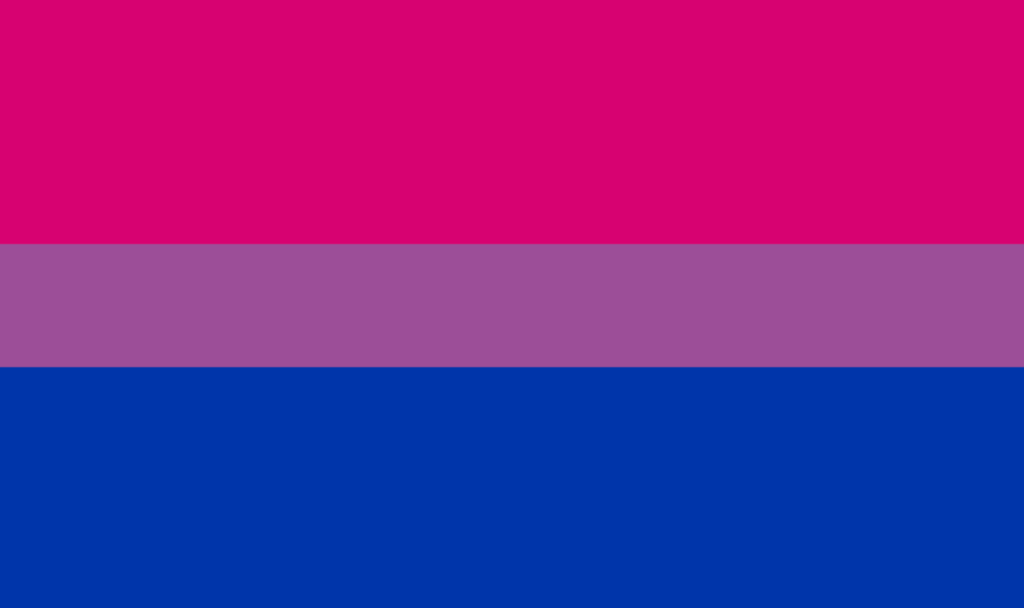
This post was edited by my lovely friend @daffodilately on Substack.
DISCLAIMER: I’m going to mainly focus on my personal experience in the Western Queer community so this is just an opinion piece. I only have two men in my life besides my father and only one of them is Queer (Bi) so I’m sorry if the parts talking about Bi men aren’t as detailed as they should be. The online discourse I see happening in Western spaces always reeks of misogyny, purity culture, and privilege. I’m going to use “western” instead of “white” throughout this post because this issue is rampant in the West amongst Queer people that’ve been raised in the West regardless of racial identity.
This post is divided into 4 parts:
- Bisexuality in relationships
- The fake Bisexual myth
- The privilege surrounding Bisexuality
- The illusion of intersectionality in the Queer community
I. Bisexuality in relationships
Bisexuality is a sexual orientation by which someone is attracted to more than one gender. Yet despite this definition being well-known, whenever a bisexual person dates someone, they’re immediately stripped of bisexuality and forced into a straight/gay label. This happens when people ask questions like “Are you gay/straight now?” or when they say “I thought you liked men/women” when a bi person dates someone of the opposite/same sex. When bi women are single, they must be lying about their sexuality for male attention and extra oppression points. When bi men are single, they must actually be gay and use bi as a transition label.
While straight men fetishise bi women and think we’re down for a threesome with their hot coworker, lesbians are apprehensive of dating bisexual women for the same reasons straight women are apprehensive of bisexual men: what if they leave me for a man? And to that question I counter you with: So fucking what? You got left. The gender of the person your partner cheated on you with shouldn’t upset you (more than the act of cheating?). While I understand the shock, hurt and confusion when the person in question was hiding their identity, if you knew they were bi while you were dating them, I don’t understand being upset by the gender of the person your partner cheated on you with of all things.
A. Straight relationships
In the case of straight women not wanting to date bi men, it’s obvious that there’s layers of homophobia and misogyny to unpack. Who your partner dates before and after you is none of your business. A lot of the time, the main issue with straight women is that they can’t imagine their boyfriend having sex with a man, specifically him being submissive to a man because they think submission equates to womanhood and in the deepest crevices of their patriarchy-ridden mind, they know that’s the worst thing you can be.
Many people struggle with this, even so-called allies to the queer community won’t hesitate to call a man gay if he behaves in a way that doesn’t exude toxic masculinity. Social media has made this worse with the increase of red-pill podcasts and “divine feminine/masculine” mindsets. You can find hundreds of comments calling a man “DL/Down Low” (gay man pretending to be straight) because he had the audacity to smile at his partner or tear up at a compliment. Inversely, “leftist” people also tend to call men behaving in misogynistic behaviours gay. While I agree that there is a misogyny problem amongst gay men, calling an abusive man gay doesn’t change the fact that he’s straight. I’d say this actually causes the masses to excuse these types of men’s behavior because “poor guy, he’s just gay but can’t accept it, that’s why he’s abusing his wife/girlfriend”.
This type of discourse is especially surprising because most straight women claim to be allies. You can see this in the way they’re constantly on the hunt for a “gay best friend”, the way they engage with queer media (mainly mlm) and insert themselves into queer spaces. You’d expect them to know better since they’re constantly present yet you’ll never see them dating a bi man and if they do, they’ll call him gay or DL as an insult and say they were basically “the man” in the relationship the second they break up.
The same cannot be said for straight men dating bi women. A lot of the time, they’re creepily eager to date us, salivating like dogs at the thought of reenacting their favourite porno. They think our bisexuality is a performance for them specifically and can’t fathom the idea that we might not want to have an open relationship and constant FFM (two girls one guy) threesomes. Men are raised to feel entitled to women’s bodies and sexualities. To them, a bisexual girlfriend is a dream come true as they believe that gives them the right to force their fantasies upon us.
I’ve seen a lot of discourse online, mainly TikTok and Twitter (of course) where queer people would say that since bi women choose to date our oppressors, they don’t care about the abuse we suffer and think we deserve it. This is plain and simple victim blaming, especially since bi women have some of the highest rates of domestic violence in the queer community (Aguiar, 2025) and I wish I could say it’s just chronically online people saying this but I’ve had real life conversations with people that think this way. At the end of the day, we don’t choose the people we fall in love with, even bi people who have the privilege of being able to be in a loving, straight relationship, don’t get to choose when they fall in love with someone of the opposite sex. The only thing we can do is see if the person we’re dating is compatible but abusers always reveal their true colours when it’s hardest and most dangerous to leave them.
B. Queer relationships
I think more nuance is needed in the case of lesbian women not wanting to date bi women. At the end of the day we do have very different experiences in the world: bi women have the privilege of fitting into societal norms by choosing to live a fulfilling, happy life with men while lesbians don’t have that luxury. Due to this, there’s an inherent disconnect between bi women and lesbians because lesbianism is the only sexuality that excludes men while bisexuality still includes it. It’s understandable to want to date someone that has the same experiences as you do in the world.
However, I also think there is a lot of insecurity in the lesbian community about not being able to provide your partner with things such as societal acceptance, safety, biological kids (if both are cis and kids desired), the safety of being legal in every country etc… so it’s normal to be scared that someone might want these things more than a relationship with you but I’d say that falls under the compatibility umbrella. This isn’t an anti Les4Les post, I myself am Bi4Bi though I do make exceptions at times.
While some bi women can most definitely be male-centred, this doesn’t mean that they all are just because they’re attracted to men, and that’s an accusation every bi woman I know has faced despite most of them never having dated men/anyone. I think a lot of it boils down to misogyny because bi men never get accused of being female-centred (in the sense that they prioritise heterosexual relationships) despite some of them also engaging in this behaviour and when they do get called out for it, it’s never at the level that bi women do.
We mustn’t ignore the fact that just because lesbianism excludes men, it doesn’t exempt lesbians from being male-centered and misogynistic. One such example is when some lesbians refuse to date bi women or other lesbians who’ve been with men in the past because they’re less queer or somehow lying about their sexuality for attention. The lesbians that usually make these kinds of comments are “Gold Star” lesbians meaning they’ve never been with men though other lesbians also participate in such dating restrictions. Your status as a Gold Star Lesbian isn’t a badge of honour but a sign of your privilege— and that’s not a bad thing. I wish everyone got to feel safe enough and sure of themselves enough to never so much as question their sexuality but that’s a luxury most people aren’t afforded and it doesn’t give you the right to dictate other people’s sexualities. Gold Star Lesbianism only becomes a bad thing when it’s used to denigrate others for not having figured themselves out earlier than you. A man’s dick isn’t some all-powerful stick that reduces a woman’s worth and queerness — It’s just an organ they use to piss and cum.
“Why don’t you just date bi women?” I do. I’ve only been in a relationship once in my life and it was with a bi woman. The reason some bisexual women may have problems with some lesbians is because a large part of the lesbian community is very bigoted and insist on invalidating bi women’s experiences within the queer community, in heteronormative relationships, and in their own sexuality. I’ve received so many messages on queer/lesbian dating apps from lesbians telling me not to lie about my sexuality, that I look straight and that they don’t want to have threesomes with my boyfriend when I’m literally single and monogamous as stated on my profile. I’m not even talking about 1-2 messages but 30-50 which is insane and completely unwarranted. These people waste their likes/swipes or whatever just to hate on a random person. Obviously, not all lesbians are like this but the fact that this discourse happens every year and every bi woman I know has a story like this rings some alarm bells.
The same could be said for bi men trying to date gay men. I have two bi guy friends and when I asked them their experience in the dating world, they basically told me the same things: gay men are very apprehensive of dating them for the same reason as straight women. When they do end up in relationships with gay men, they are masculinised and pressured to adopt a more dominant role despite them not wanting to.
II. The fake Bisexual myth
A. The actual fake Bisexual
This is usually the centre of the discourse surrounding bisexual women. The first image that pops into people’s heads is that of two straight women making out at a bar for a couple of free drinks. They don’t know anything about queer culture, think finding women pretty means they’re attracted to them and they think women are “soooo hot” but would never in a million years sleep with them because vaginas are “soooo gross”. I’m not denying that these people exist, believe me I’ve met my fair share, but these people know they’re not actually bi and so does everyone around them.
I think the reason they do this is because in the West, specifically in white spaces, being oppressed has become a trend amongst people that don’t want to acknowledge their privilege so they decide to cling to a label they know is controversial while still being acceptable for “diversity points”. The problem begins when you immediately assume every bi woman is like that, especially with bi women that don’t “look” queer enough.
B. The fluidity of Bisexuality
Bisexuality is a huge spectrum. The fact that it includes all genders means that the possibilities for romantic and sexual preferences are endless. Trying to narrow it down to just one relationship dynamic is redundant and doesn’t work unless you’re only attracted to one gender. There is no one way to be bisexual, the definition is romantic and/or sexual attraction to more than one gender. For example, someone is still bisexual if they have romantic attraction to both genders but sexual attraction to one. This attraction may vary over time, completely switching or staying the same over the years. They’re still bisexual. We mustn’t ignore the existence of aromantic and asexual bi people who might experience very limited to no sexual or romantic attraction to either gender but might still want to pursue a relationship. This doesn’t make them any less bisexual than someone who has a perfect 50/50 division in their attraction.
I do think there are some cases where a preference might be more deeply-rooted. For example, bi women saying they’re sexually attracted to both men and women but that they wouldn’t see themselves being with a woman long term, marrying her etc… is a very dodgy thing to say in certain contexts and yet this still doesn’t strip them of their queerness. A lot of women don’t see themselves long-term with other women because it’s easier to date men societally speaking, despite it being statistically more dangerous in interpersonal relationships. Sometimes, it just boils down to genuine sexual preference where they might prefer having sex with men over women while still being attracted to women or vice versa.
However, there are also cases where they might have a lot of internalised misogyny and homophobia to unpack which leads them to viewing women as sexual objects rather than people. These types of women are the male-centred people that the community complains about and they have every right to. Nevertheless, I don’t think that makes them straight, it does however make them misogynistic and it’s normal to not want to be involved with such people.
This also ties in to the “She left me for a man” conversation because I can’t help but wonder if she actually did. A lot of the time, when people say a bi women left them for a man, they mean that they broke up and then started dating a man they met later on instead of actually cheating. I find this incredibly strange because why do you care? Your ex dating someone of the opposite sex doesn’t make their relationship with you any less real. If the reason you don’t want to date bi women is because who they date once you break up might potentially bother you, you have a lot of self reflection to do, especially if you knew they were bi while dating them.
Nevertheless, a bi woman not seeing herself marrying a woman in the future isn’t an indication of her sexuality but a depiction of the reality she lives in. Most queer people live in countries where queerness is either heavily stigmatised or illegal. Some queer people who live in the West have homophobic families or have immigrated from countries where queerness is illegal and their community might be homophobic. Being in a queer relationship is inherently isolating and for some, that could mean losing their entire families, support systems and communities. It’s unfair to expect someone to pick you over their own personal safety and it’s something Western, privileged queer people struggle to understand.
This ties in with specifically sapphic relationships moving too fast. I’ve had women I’ve gone on dates with tell me not to call myself bi if I don’t see myself marrying a woman in the future. Putting aside the obvious safety and legal aspects that would stop me from marrying a woman, I’m only 21 and these conversations were happening when I was 18-19 years old. I’m not dating to marry nor do I see myself marrying ANYONE in the future because I don’t want to get married or have a long-term relationship. It’s not compatible with the lifestyle I want for myself, I want to be able to travel anywhere, whenever I want with whoever I want and I don’t want the hassle of taking someone else into account and asking them to leave everything they know for me. While romantic love would be great and I’d love to experience it someday, I’m fully aware that the life I want for myself is fundamentally incompatible with it but it means more to me than anything else.
I’ve never seen this type of discourse between gay and bi men. Neither one of my friends have said that their sexuality has been questioned by gay men despite them being “straight-passing”. Their presence on Grindr is enough to convince them and I have to admit, I’m envious. When my bi (male) friends complain about people only ever wanting to sleep together instead of wanting actual relationships on dating apps, they don’t seem to think it’s because of their bisexuality but rather our current hook-up culture. As previously mentioned, the only time it’s ever been an issue to them in romantic relationships is when they’ve told me that gay men have tried masculinising them to make them adopt a more dominant role.
III. The privilege surrounding Bisexuality
A. In real life
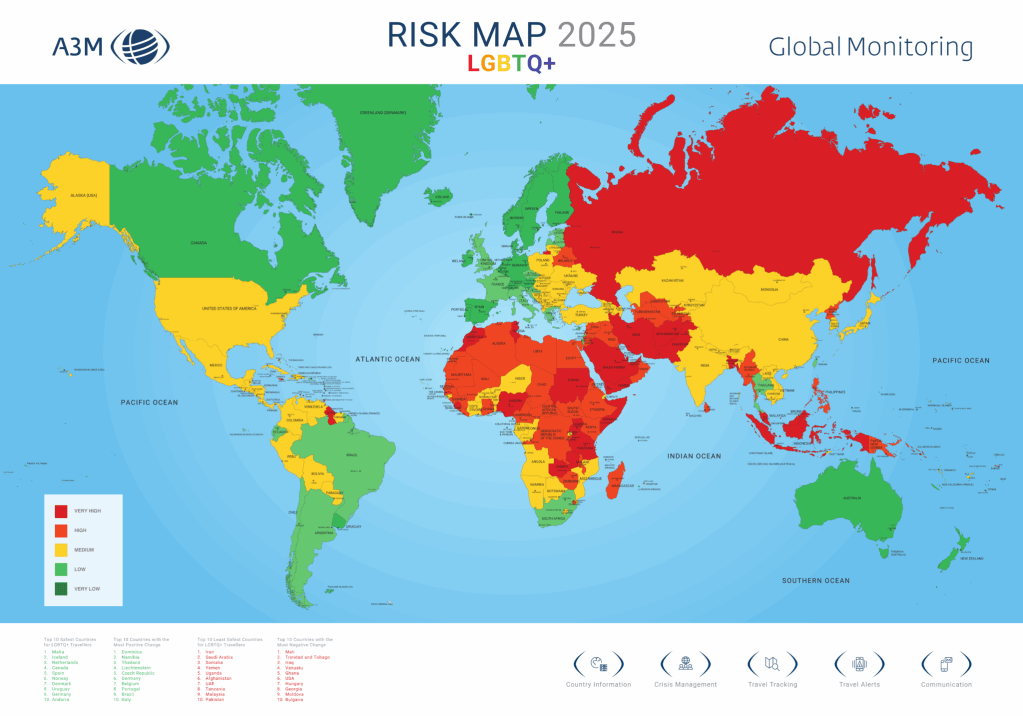
As previously mentioned, the bisexual identity is one that is inherently privileged over homosexuality, especially outside of the West. Homosexuality and gender queerness are both very stigmatised in my country with bills trying to criminalise them as a result of the rise of extreme religious leaders, nationalism and fascism. I have the immense privilege of being able to date someone of the opposite sex and be happy and safe. That’s something lesbians and gay men don’t have, and it’s important to acknowledge it. Being in a straight-passing relationship comes with immediate societal acceptance, being able to walk on the street with your partner without fearing for your safety, support from those around you, and legality.
When it comes to interpersonal relationships, I’m an example of the above. When I came out as bisexual to my very religious, ex-best friend. She told me that it was okay because I still like men so I have a chance to be “saved” (despite having a girlfriend at the time). I don’t want to imagine how that conversation would’ve gone if I was coming out to her as a lesbian, which showcases my privilege in that moment. Even though my friend was very homophobic, she still managed to partially accept my identity because to her, it was the closest thing to heterosexuality I could be. Obviously, we’re not friends anymore because of this and she did try to “convert” me a few years later (very long story) so we didn’t end on the best of terms.
This half-acceptance of bisexuality is why a lot of queer people use the bi label before realising that they’re actually lesbian/gay or before deeming it safe enough to be open about their true identity. Coming out as bisexual is a safety net because the first thought of those around you is “Oh okay so you still like the opposite sex”. It’s so much more palatable because you still have a chance to live a life that’s societally accepted because it’s still including men. That’s also why being a gay man is viewed as more acceptable than being a lesbian and why you’ll see more gay representation than lesbian representation in media because it still includes men. It’s always about men and heteronormativity at the end of the day.
B. Representation of Bisexuality in media
While I love sapphic shows, I find it strange how representation is always “sapphic” and not lesbian. Even in movies like Imagine Me & You, one of the protagonists is always bisexual and there’s ALWAYS a cheating plot line. They’re doing all sapphic women dirty with representation like this. While bi women are treated as cheaters and whores, lesbians are completely ignored or at best are an afterthought. With representation comes privilege, but not all representation is good representation and I’d argue these do more harm to the bisexual community than good.
There’s also a huge difference in treatment when it comes to shows featuring queer or gay men. Most recently, Heated Rivalry and Heartstopper are shows where one of the protagonists is bisexual and the other is gay. I didn’t watch it but Heated Rivalry became insanely popular with everyone and their mother. Alongside bisexuals, gay men are the most represented in queer media because they are still men at the end of the day so even in a queer setting, everything is catered to them. Even at their most unconventional state, the patriarchy still manages to centre everything about men and their relationships, leaving nothing but scraps for their female counterparts. Queer male media gets more funding and popularity from queer and straight women alike because queer women are expected to extend their allyship to those that don’t reciprocate.
Straight women refuse to engage in sapphic media because they can’t fetishise it while queer men refuse to engage with it because for once, they’re not the focus. While shows like Heartstopper get 4 seasons, shows featuring two sapphic or lesbian women like First Kill and I Am Not Ok With This barely get past the first season. The new season of Bridgerton that’s going to be centring two lesbians is already getting unimaginable amounts of backlash with some even calling for boycotts of the show because for once, a show doesn’t centre a heteronormative relationship.
C. The Bisexual whore sub-plot
There is a stark difference when one of the characters in a sapphic show is bi as it, more often than not, centres the bi woman’s relationship with her boyfriend and their problems until she finally leaves him in the last 20 mins of the story for her best friend/rival she’s made out with a couple times pre-breakup. This mainly appeals to straight men that get to watch two women kiss at a club for a bit before the story becomes unappealing to them, which leaves queer women to make do with the scraps we’re given by the entertainment industry all the while pushing unhealthy stereotypes about bi women.
A primary example of this is in the Scott Pilgrim VS The World movie where Ramona Flowers, AKA the woman every alt girl ever is compared to, had an ex-girlfriend. Scott referred to her relationship with this woman as a “sexy-phase” while Ramona dismissed it entirely by saying she was bi-curious. While being bi-curious is not a problem by itself, not being honest about it like Ramona and leading someone on perpetuates the stereotype that bi women are heartless monsters who lead lesbian women on only to “abandon” them for men or using them for male attention. (Personally, I don’t like the movie for that along with many other reasons and I think the cartoon does a better job of treating it but it’s a very touchy subject.)
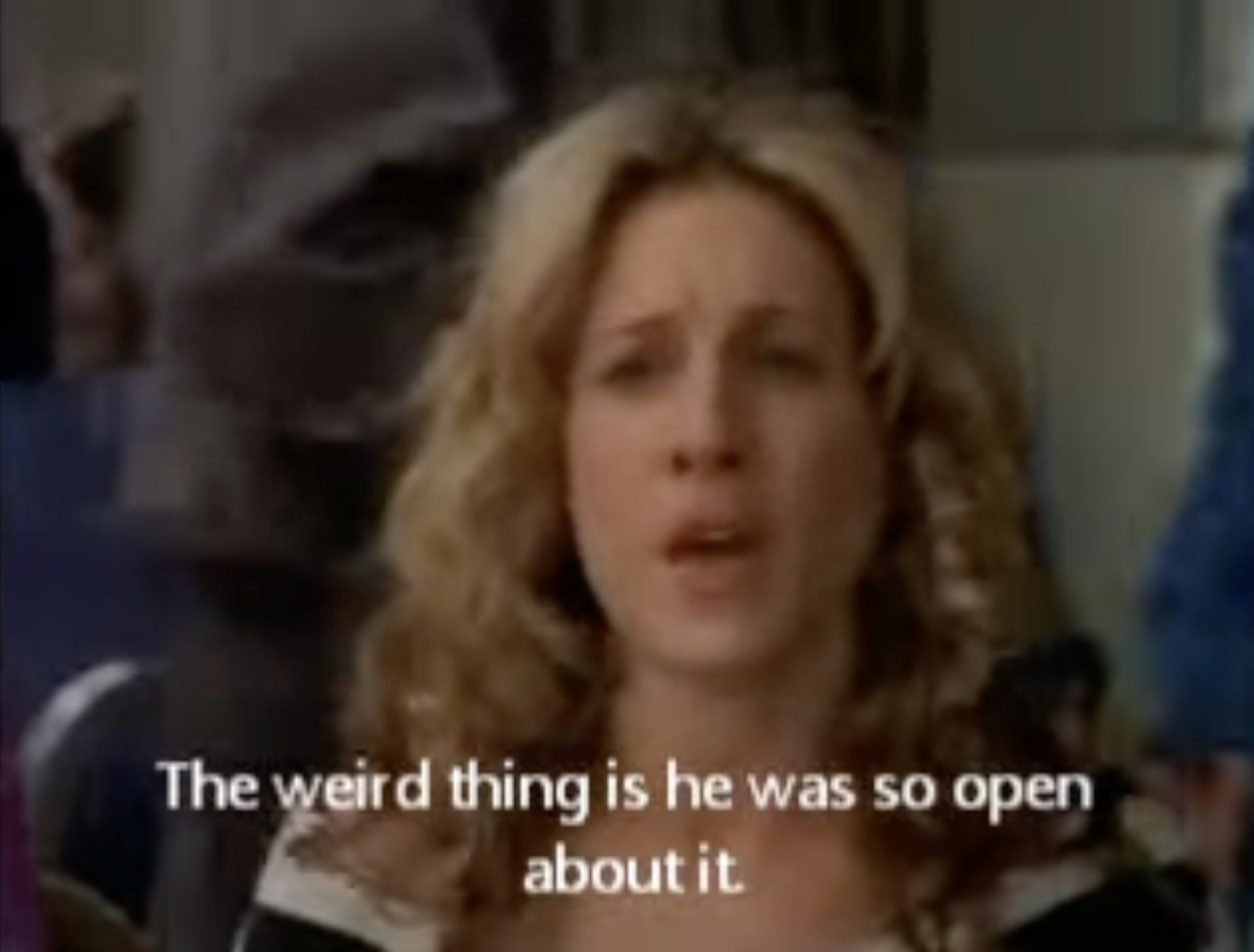
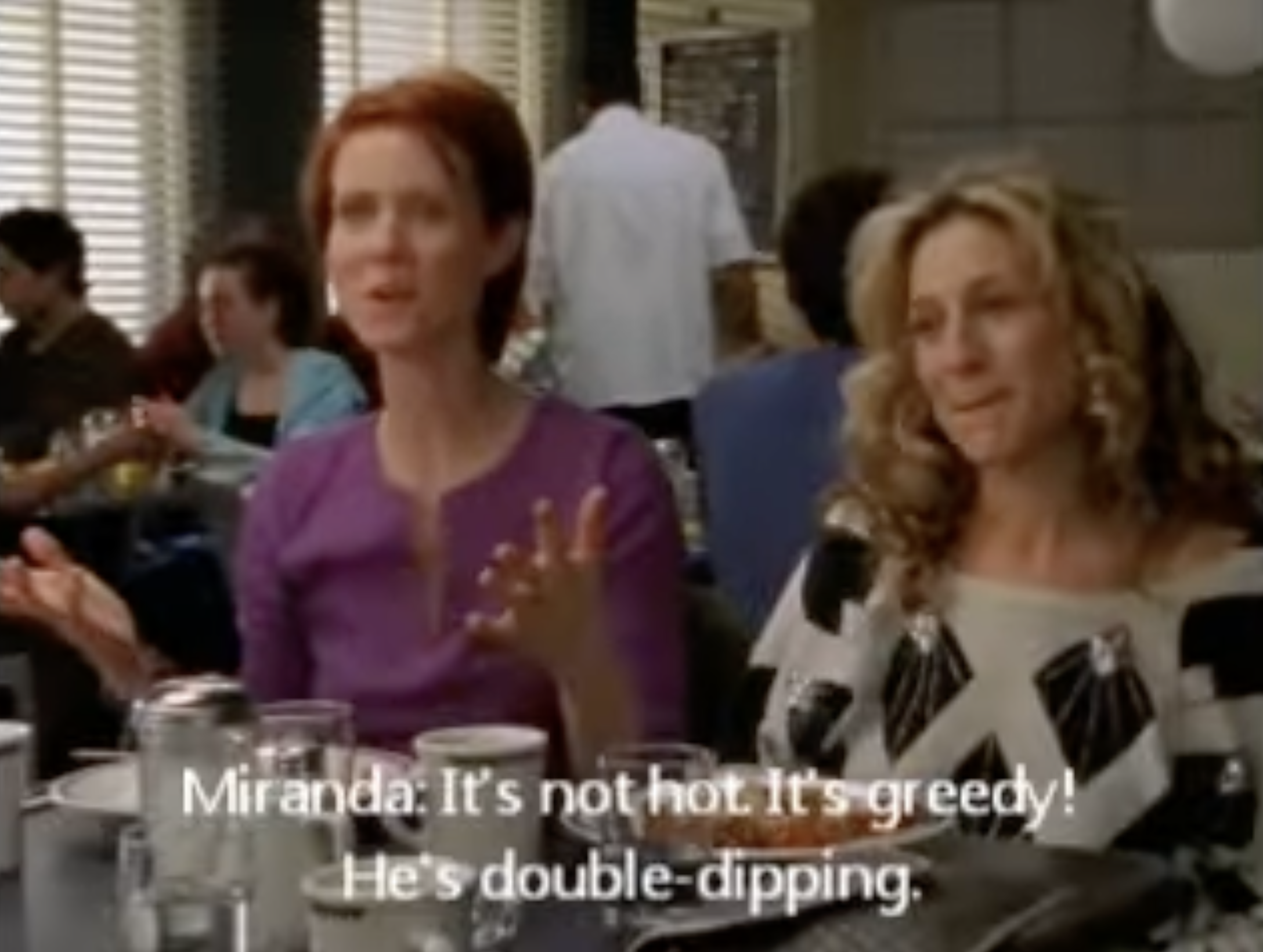
Another example is in the show Sex and the City where Carrie finds out the guy she’s dating is bisexual and her friends say they don’t believe in it, with Carrie complaining that he was “too open” about it and Miranda saying “it’s not hot, it’s greedy! It’s double-dipping”. Once more in Sex and the City, when Samantha starts dating a woman, all of her friends comment on the fact that she “must’ve ran out of men” which is something I was accused of by queer and straight people alike when I started dating women, despite not having any serious romantic or sexual experiences.
IV. The illusion of intersectionality in the Queer community
At large, bisexuality is the “safe” sexuality to be. We get representation, we can get around homophobic legislation and we can travel anywhere we want without facing much repercussion. However, while it’s easier to live as a bisexual, it’s only the case if said bisexual person is straight-presenting. bisexual people that “look” queer are not any safer than other queer people. When someone is attacked for “looking” queer, their attacker doesn’t care about their sexuality or gender identity, just the fact that said person looks a certain way.
I’ve had a lot of luck with all of my current friends accepting my sexuality and the family member that I’m out to genuinely not caring. However, I’ve been unlucky in is queer spaces— specifically Western queer spaces. My attraction to women is always questioned and my sexuality is invalidated because I don’t have a specific look or fashion style associated with queerness. It genuinely feels like that one scene from Teen Wolf (please laugh).
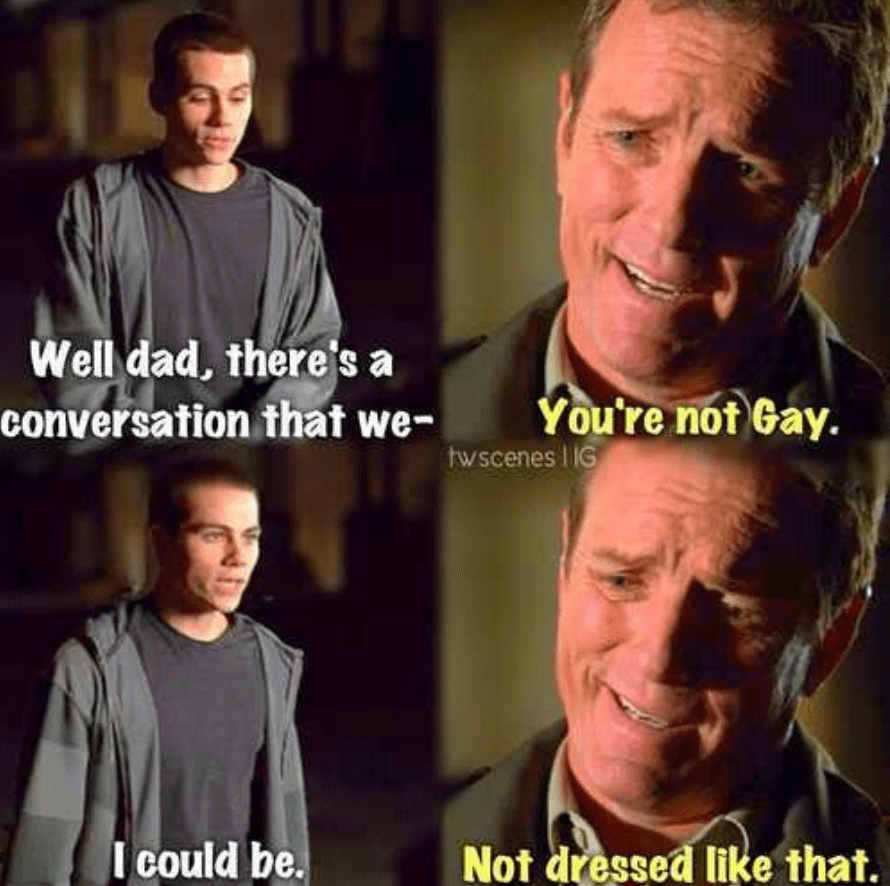
On a more serious note, it feels like a betrayal whenever I face prejudice from the queer community. I hate having my queerness questioned just because I don’t have as much experience or have a preference towards one gender, something a lot of bisexuals go through. I’d say MY (not yours, m i n e) sexuality has been fluid for as long as I can remember. There were periods of my life where I preferred women and periods where I preferred men. In fact, I identified as a lesbian until I was 16 years old before realising that I liked men as well. It’s strange that people can’t grasp the concept of sexual fluidity and liking multiple genders when it’s literally in the name: Bisexual. A lot of my bi friends also agree that their attraction isn’t divided into a perfect 50/50 but rather comes in waves. I tried to stop using labels for a while but that just complicated things because “I like who I like” just wasn’t satisfactory to people so I’d end up saying I’m bi anyway.
This problem doesn’t really exist in non-Western queer spaces which brings me to my point about intersectionality. In non-Western queer spaces, there’s an understanding that you’re queer even if you have a preference towards the opposite sex or don’t look a certain way because unfortunately, safety supersedes personal desires and most of them are in a similar position. However in the West, there is a queer “look” and anyone who doesn’t conform to it is questioned. If you’re a bisexual woman, you need to have a septum piercing, alternative clothes, wolf-cut and dyed hair (and also be hungry all the time IYKYK). If you’re a bi man, a mullet, tote bag, and porn stache is what you need to qualify, if you’re a lesbian, you’re either hyper-femme or masc and if you’re gay, you need to be super flamboyant.
It’s so reductive and I know most people are joking when they say things like this but that doesn’t mean it doesn’t perpetuate harmful stereotypes. Queer people aren’t a monolith and categorising people like this pushes that notion, especially since “queer fashion” differs from culture to culture and yet here we are focusing on the western interpretation of it. That’s also why I hate the “are you culturally queer or just queer” type of discourse because what is queer culture exactly? Do I have to know American Queer history to be culturally queer or does Turkish Queer history suffice? Why is it that the West, specifically Americans get to decide what queer culture is?
“You’re not bi if you can’t see yourself ending up with someone of the same sex.” Hey, so, let’s pull our heads out our asses and put our thinking caps on: not everyone lives somewhere homosexuality is legal or homosexual marriage is legal. Are those people suddenly not bi anymore? Whenever I point this out, I get told that my point is “giving bean soup / whataboutism” but I really don’t think so. It’s not whataboutism if it affects the majority of the queer population, a lot of you haven’t unpacked your privilege for living in the West and it’s making you behave like cops.
The unfortunate truth about our world is that most of it is still homophobic. Most women don’t have the privilege of staying single for long without arising suspicion about their sexuality, especially in countries that criminalise homosexuality. Due to this, most queer women either realise they’re queer late in life or force themself into a loveless marriage with a man for the sake of their personal safety. This doesn’t make them any less queer, just geographically unlucky compared to you and you fail to consider that every year.
Personally, I don’t have the privilege of staying single for long without queer/lesbian allegations being thrown my way by my family. They view queerness as an illness that can be cured and because of this, I’ve had to prioritise men in my dating life and I don’t think that makes me any less queer than the rest of you. I’ve seen similar discourse online and this aspect of it never gets addressed. I know that you’ll think “oh but we’re not talking about people in YOUR situation” but how would you know? No matter how well you think you know a person, their private life is just that: private. By acting this way, you’re pushing the idea that queerness is a western concept when that couldn’t be further from the truth.
I’ve had my identity and self expression in queer spaces questioned several times so here are the two most annoying ones. A few months ago, I went to a Lesbo-feminist bar with my friend, we’re both bi/pan and were looking for a good time. This bar is for lesbians and feminists, they also don’t allow men to come during the weekend (thank god) so it’s a really fun place to go to. They also organise fun events every week and this time there were people doing tattoos, tarot readings and also a queer book club. I’m always looking to meet more queer people and I love reading so this was perfect.
The leader of the book club was a gay man and when I asked him if they were taking new members, he just looked at me and said “Why would YOU want to join queer book club?” I just told him I wanted to read more queer books and he responded with “This is a queer book club so if you want queer books you can find them online instead of invading our limited spaces.” Mind you, he’s a gay man in a Lesbo-feminist bar, there’s only one person invading and it’s not me. By this time, I had lost interest so my friend and I left.
Something similar happened last month when I went on a date with a girl. In this case, I’m trying to be more indulgent because I understand the importance of protecting queer spaces. We decided to go to the lesbian bar I previously mentioned, they let my date in without an issue but stopped me at the door and asked me if I knew this was a lesbian bar. I said that yes and they told me that the weekend was only for people who identified as lesbian/bi women and asked me if I identified with that label. Obviously I do but the bouncer (?) didn’t believe me because I apparently don’t look queer (by which I think they meant alternative) and told me that there were millions of bars catering to straight people in Paris and that I shouldn’t try to take the comfort of queer people away by coming here. I texted my date that I was not being let in and she had to come out and vouch for my queerness which I find insane. Again, I understand the need to protect queer spaces but this is such a wrong way to go around it, especially since I literally had a bisexual pride pin stuck to my jacket to avoid this specific problem.
I don’t have to dress a certain way to prove that I’m queer to you, nor do I have to watch your shows. I bet you couldn’t name one non-American/European queer piece of media if your life depended on it. This isn’t to hate on Western media, I engage in it greatly because obviously, it’s very accessible and there aren’t as many censorship issues as the rest of the world, but you need to realise that Western media is not the end all be all of queerness. The media you engage with isn’t as diverse as you think it is if it’s just western shit repackaged and sold to you in different fonts.
The main problem is that 90% of the people that participate in the yearly “I’m more queer than you” discourse are the same people that make jokes like “I’m illegal in X amount of countries” without actually giving a fuck about the queer people in those countries— It just reeks of privilege. You sit here and use the pain of other queer people for your own entertainment then judge those same queer people for not fitting into your Western lens of queerness. You act holier-than-thou and call your activism intersectional when it excludes the very people you should be fighting for.
© 2026 C. H. Gökdemir. All rights reserved.
Sources:
Aguiar, Julio Cesar. “Taux Comparés de Violences Conjugales Entre Couples Homosexuels et Heterosexuels.” 11 Sept. 2025, psychocriminologie.free.fr
“LGBTQ+ Risk Map – A3M Global Monitoring.” A3M Global Monitoring, 5 Mar. 2024, www.global-monitoring.com/en/tourism/lgbtqplusriskmap/.
Special thanks to my dear friend @daffodilately on Substack for taking the time to edit this post despite having a very busy life!! 💗 💗 💗
 Cece: Unfiltered
Leave a comment